Up until the 1960s, women were not allowed to play the Mbira, and in addition to that, the traditional culture of the country was suppressed under English colonial rule. “At first you were not allowed to be seen with the Mbira in the city (that was punishable with imprisonment)”
Up until the 1960s, women were not allowed to play the Mbira, and in addition to that, the traditional culture of the country was suppressed under English colonial rule. “At first you were not allowed to be seen with the Mbira in the city (that was punishable with imprisonment)”
€ 19,8
In stock
Listen to: Ambuya (Remastered)
Item Description
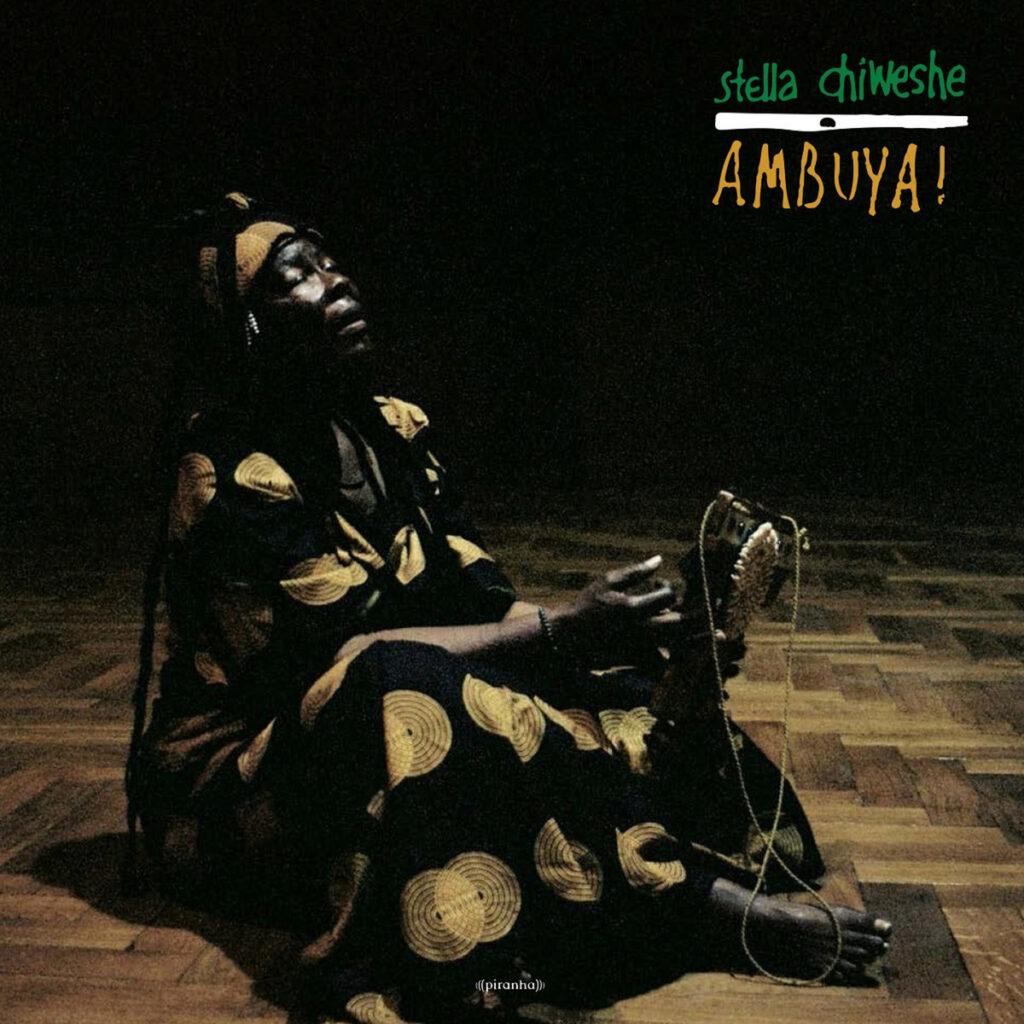
33 1/3 years after the first release of the groundbreaking album Ambuya? by Stella Chiweshe, Piranha Records is releasing its international debut as 180g vinyl remastered from 100% analog tapes with a “John Peel Session” from 1988 as a bonus.
The revered name Ambuya? (“Grandmother”) with a question mark – becomes Ambuya! with an exclamation mark. The “Queen of Mbira” Stella Chiweshe has earned this not only with her music but also with her attitude and self-assertion. For more than five decades, the now 74-year-old artist, who has been living between Berlin and Harare since the early 1980s, has shared her love for the spiritual music of her home country Zimbabwe with listeners and viewers from all over the world.
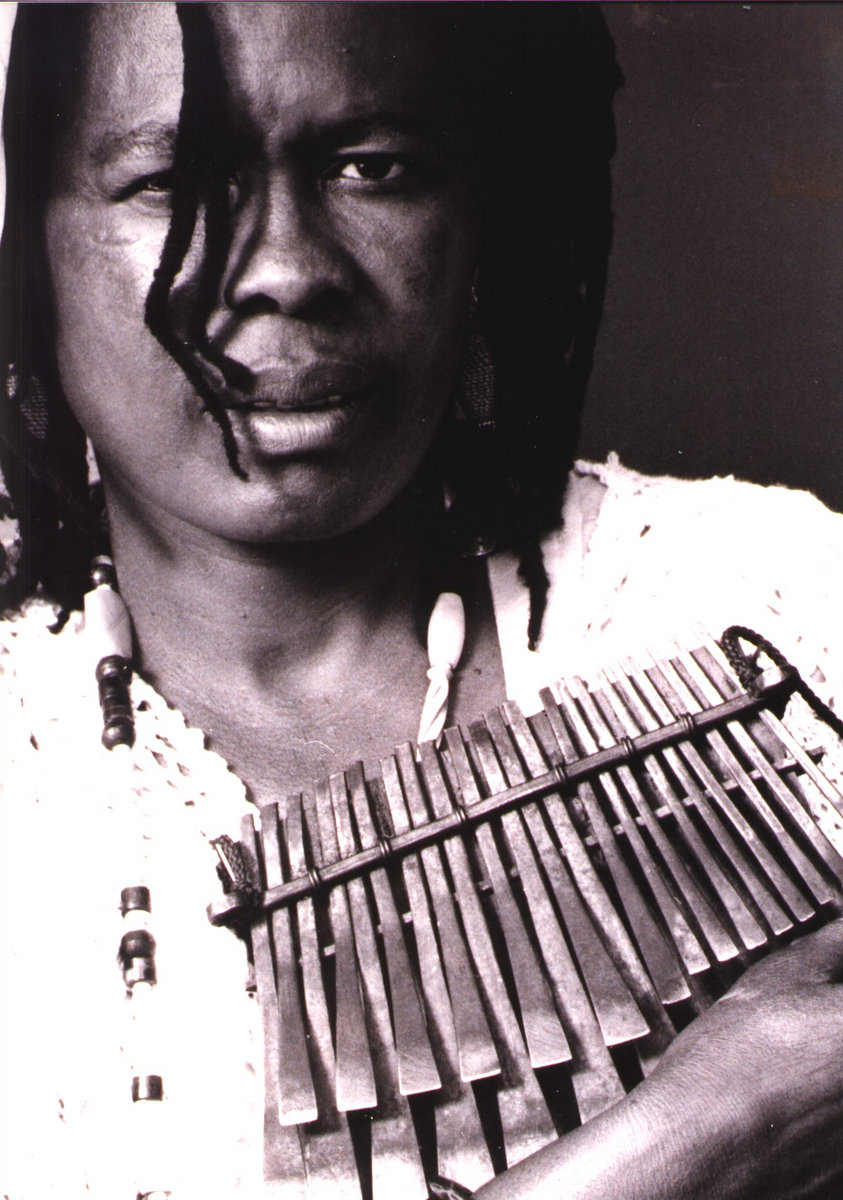
She was the first female Mbira player to find an international audience and had to overcome a lot of traditional barriers, hegemonic masculinity, colonial rules and the control of white missionaries in her home country for that to be possible. Up until the 1960s, women were not allowed to play the Mbira, and in addition to that, the traditional culture of the country was suppressed under English colonial rule. “At first you were not allowed to be seen with the Mbira in the city (that was punishable with imprisonment)”, says Stella, “but as soon as I heard it, the sound of the instrument never left me. I had to play it. I borrowed one to make my music. During the ceremonies, I had to sit on the men’s side, which was contrary to the customs of the time.”
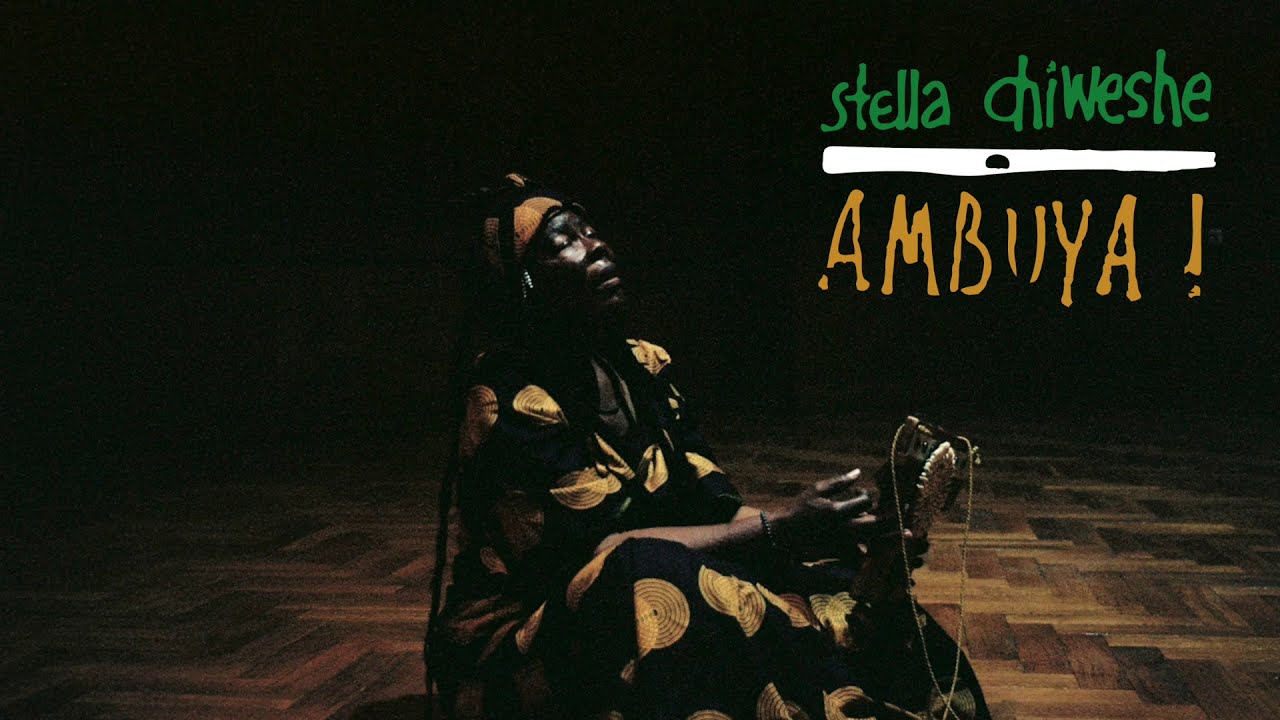
Also, with the album Ambuya? which was released in 1987, Stella Chiweshe tore down boundaries: she worked with the British world-indie legends 3 Mustaphas 3 and played an electric (sacrilege!) instead of a traditional acoustic Mbira. The album was her international breakthrough album.